
![Selling a Home Marked as Condemned in [market_city]](https://image-cdn.carrot.com/eyJidWNrZXQiOiJwcm9kdWN0aW9uLmNhcnJvdC11cGxvYWRzLm9uY2Fycm90LmNvbSIsImtleSI6InVwbG9hZHMvc2l0ZXMvMzQyNDgvMjAyNi8wMy9TZWxsaW5nLWEtSG9tZS1NYXJrZWQtYXMtQ29uZGVtbmVkLmpwZyIsImVkaXRzIjp7InJlc2l6ZSI6eyJ3aWR0aCI6MTE1Mn0sInRvRm9ybWF0Ijoid2VicCIsIndlYnAiOnsicXVhbGl0eSI6NzB9fX0=)
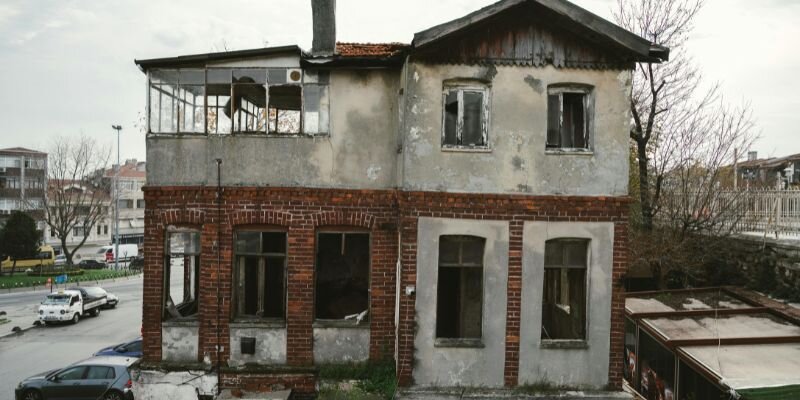
A condemned house can make you feel like the walls are closing in, even when nobody is legally allowed inside them anymore.
You are not just dealing with a property problem. You are dealing with the stress of not knowing what comes next and the pressure of city notices piling up. You’re also feeling the weight of a house that meant something to someone you loved. That is a lot to carry.
A condemned house is not the end of the road. You can still sell them. You just need to know where to start. And that is what this is for.
What Is a Condemned House?
A condemned house is one that local authorities have officially declared unsafe to live in.
That label does not appear overnight. There is usually a long lead-up, like missed inspections, unresolved violations, and notices that went unanswered. At some point, the city runs out of patience and makes it official. The property gets sealed, and utilities get shut off. A warning sign also goes up on the door.
From that point, the clock is ticking. The owner has a limited window to either fix the problems and get the property re-inspected or find another way out.
Condemned houses aren’t always total losses. Some condemned properties just need targeted repairs to get back to habitable status, while others are too far gone for that.
But in both cases, the land and the structure still hold value. That is what makes selling possible.
Why Is a House Condemned in Missouri?
Condemnation rarely happens because of one single thing. It is usually a slow build. By the time the city steps in, the property has been struggling for a while.
These are the most common reasons a Missouri house ends up condemned.
Code Violations and Safety Hazards
Code violations are breaches of local building or housing standards, like faulty wiring and structural issues that make the house unsafe for anyone inside.
These violations do not always get addressed right away. It may be that life gets busy and money gets tight. Eventually, the city stops sending warnings and starts taking action.
Structural Damage and Neglect
A house that goes without maintenance long enough will start falling apart in ways that cannot be ignored.
It would have foundation problems, roof damage, rotting walls, fire, or flood damage. These are the kinds of issues that move a property from“needs work” to “condemned.”
It is not always the owner’s fault. Sometimes it is a storm or just an aging property that finally gave out. But once the structure becomes a safety risk, condemnation follows. Similar challenges can arise with appraisal required repairs in Missouri, where safety and habitability concerns must be addressed before a property can qualify for certain types of financing.
City Fines and Unpaid Property Taxes
Delinquent taxes and unpaid city fines can snowball. What starts as a manageable amount can turn into a financial burden that compounds year after year.
When those obligations go unresolved long enough, local authorities can move to condemn the property.
It is one of the more frustrating paths to condemnation because it often happens to owners who are already struggling financially.
Abandonment and Vacancy
A house left empty for an extended period, typically more than 180 days in Missouri, becomes a problem for the neighborhood and a target for local code enforcement.
Vacant properties deteriorate faster than occupied ones. They attract squatters and become eyesores. They create safety concerns that surrounding residents notice. Eventually, the city notices, too.
Can You Sell a Condemned House in Missouri?

Yes, you can sell a condemned house in Missouri, and that probably comes as a relief.
Selling a condemned house in Missouri is legal. The process is different from a typical home sale, but the option is very much on the table.
You do not have to fix everything or wait years for the situation to sort itself out.
The buyer pool shrinks, though. Most traditional buyers cannot get financing on a condemned property, so the retail route rarely works.
Cash buyers and investor home buyers in Missouri are the more realistic option. They buy condemned properties regularly and close fast.
One thing you cannot avoid, though, is disclosure. Missouri requires sellers to disclose the condemned status to any potential buyer. If you don’t go through that step, you may end up in legal trouble that will cost far more than the sale itself.
A condemned house will not sell for the same price as a move-in-ready home. But it has value. You can turn that into cash without fixing a single thing if you go the right route.
Know Your Rights as a Property Owner
Being on the receiving end of a condemnation notice can feel like the government holds all the cards. They do not. As the property owner, you have rights, and knowing them changes how you respond to the whole situation.
Appealing the Condemnation Decision
You have the right to contest a condemnation. If you believe the decision was made unfairly or based on inaccurate information, you can appeal it through the local circuit court. This can also be made when you feel like the house was condemned without a proper process.
However, this is not always the right option. Appeals take time and cost money. They do not always go in your favor. But if the condemnation feels unjust, it is an option worth looking into, ideally with a real estate attorney in your corner.
Requesting Extensions and Negotiating With Local Authorities
Most people do not realize they can go back to the city and ask for more time. If you have a plan (whether that is making repairs or preparing the property for sale), local authorities are often willing to work with you.
It is not guaranteed. But communicating and demonstrating that you are actively dealing with the situation goes a long way. Ignoring the notices is the worst thing you can do.
Eminent Domain: When the Government Takes Your Property
Eminent domain is a specific type of condemnation that has nothing to do with the condition of your house.
This is when the government wants your land for a public project, like a highway, a school, or infrastructure. They exercise their legal authority to take it.
If this is your situation, you are entitled to compensation. Under Missouri law, that compensation must reflect the fair market value of your property.
You can accept their initial offer, or you can push back with your own appraisal if you believe the number is too low. Either way, get a real estate attorney involved. The government’s first offer is rarely its best one.
How Long Does the Condemnation Process Take in Missouri?
People always ask this, hoping for a straight answer. The honest truth is, it varies, but here is a rough idea of your timeline:
| Stage | Timeframe |
| Initial violation notice sent | Day 1 |
| Owner window to respond or repair | 30 to 60 days |
| Legal hearing scheduled | 60 to 90 days |
| Official condemnation issued | 90 to 180 days |
| Owner window to act post-condemnation | 30 to 60 days |
Those deadlines are fast. One ignored notice turns into two. Two turns into a hearing. Next thing you know, the decision is made, and you were not even in the room.
Once the condemned status is official, your window to act gets a lot smaller. You need to stay ahead of it if you can.
What Happens to Your Condemned Property If You Do Nothing?
If your property was condemned and you did nothing, it becomes a much bigger problem than it already is.
A lot of property owners go into freeze mode when they get that condemnation notice. Totally understandable. But leaving it alone is the one thing that guarantees the situation will be worse.
Fines do not pause while you figure things out. They stack. Month after month, the city keeps adding to what you owe. Some owners we have worked with came to us carrying years’ worth of penalties on a property they had not even visited in ages.
Then there is the demolition scenario. If the city decides the structure is too dangerous to leave standing, they can tear it down themselves and charge you for it. You end up with an empty lot and a bill.
And if anyone gets hurt on that property while it sits vacant, that is on you as the owner. Whether there are squatters, trespassers, or accidents, the liability does not disappear just because you stopped paying attention to the property.
The sooner you do something, the less this whole thing costs you.
The Real Cost of Owning a Condemned Property in Missouri
Most people think the hardest part of owning a condemned property is the condemnation itself. It is not. It is everything that comes after.
The costs do not freeze just because the house is unlivable. They keep running in the background, whether you are paying attention or not.
Ongoing City Fines and Penalties
City fines for a condemned property are not a one-time thing. They are recurring. Every month the violations go unresolved, the penalties grow. Those few hundred dollars can balloon into thousands before you even realize it is happening.
We have seen properties where the accumulated fines were almost as much as what the land was worth. At that point, you are not just selling a condemned house; you are digging yourself out of a hole at the same time.
Liability Risks for the Property Owner
That condemned property is still yours legally, which means what happens on it is still your responsibility.
Squatters can move in, and kids from the neighborhood can wander inside. Someone can get hurt. And you’ll find yourself dealing with something far more complicated than a property sale.
It is a risk that keeps growing every month the house sits empty.
How a Condemned Status Affects Your Property Value
A condemned label drags the value of the entire property down, not just the structure.
Buyer’s price includes the risk and the repairs. They also consider the unknowns. The longer that the condemned status sits on record, the harder it becomes to argue for a higher sale price.
To protect your bottom line, you need to act sooner rather than later.
Your Options for Selling a Condemned House in Missouri
There is more than one way out of this situation. Here are your main options.
Repair the Property and Sell on the Open Market

If the violations are not catastrophic and you have the budget for it, repairing the property is an option. Fix what the city flagged and pass re-inspection. Get the condemned status lifted and sell like you normally would.
It sounds clean, but it is rarely that simple. Permits take time, and contractors cost money. And there is no guarantee the repairs will come in under what the property ends up selling for.
Make careful calculations before going down this road.
Sell Your Condemned Property As-Is
This is the route most property owners end up taking, and for good reason. Selling as-is means no repairs and no drawn-out renovation process. You sell the property in its current condition and let the buyer deal with what comes next.
An as-is sale will not get you top dollar, though. But it makes sense if you are in a rush to sell or you’ve lost any chance of selling.
Auction the Property
Auctions can move fast and sometimes attract competitive bidding from investors. The downside is you have less control over the final price, and auction fees can take a bite out of whatever you walk away with.
It is worth considering if you need a quick resolution and are comfortable with some uncertainty on the final number.
Negotiate Compensation Under Eminent Domain
If your property was condemned for a public project rather than code violations, this is for you. The government owes you compensation.
Do not accept the first number they give you without getting your own appraisal done first.
How to Sell a Condemned House in Missouri
People make this process feel scarier than it actually is. Once you break it down, it is just a series of decisions, each one smaller than the last.
Step 1: Find Out the Exact Code Violations on Your Property
You cannot solve a problem you do not fully understand. That’s why you need to pull up that condemnation notice and go through every violation listed on it.
If you lost the paperwork, call your local code enforcement office. They have everything on file and can walk you through what is outstanding.
Do not just skim it either. Some notices have multiple violations buried in the fine print that owners miss the first time around. Read the whole thing. Then read it again.
You can make smart decisions from here on out if you know the full picture. It also helps when you start talking to buyers because a serious buyer is going to ask. You want to have answers ready.
Step 2: Decide Whether to Repair or Sell As-Is
This is the fork in the road. And most people already know which way they are leaning before they even sit down to think about it.
If the violations are minor and you have the cash to fix them, repairs might get you a better price. But if you are staring down structural damage and a permit process that could drag on for months, selling as-is is almost always the best move financially and emotionally.
A good way to think about it: get a rough estimate of what repairs would cost, then compare that against what the property might sell for after those repairs are done. If the margin is thin, it is probably not worth the headache. If the numbers work, it might be.
Most people we have worked with had already made up their mind by the time they ran those numbers.
Step 3: Get a Property Valuation
You need to know what your property is worth before anyone starts throwing numbers at you.
An appraisal gives you a reference point so you can tell the difference between a fair offer and one that is just trying to take advantage of your situation.
A condemned property will naturally be valued lower than a comparable home in good condition. That is expected. What matters is having a realistic baseline, not the number you wish it were worth, but the number that reflects what it actually is right now.
We have seen it happen where owners skipped this step and accepted the first offer that came in, only to find out later it was way below market. Do not let that be you.
Step 4: Handle Title, Liens, and Outstanding Obligations
Delinquent taxes, unpaid city fines, and outstanding liens follow the property, not just the owner. A title search will bring all of it to the surface.
This step surprises a lot of people. They come in thinking the only issue is the condemned status. Then, the title search turns up years of unpaid taxes or an old lien they had completely forgotten about.
The good news is you do not always have to clear these before selling. A lot of the time, they get settled out of the sale proceeds at closing. Just go in knowing what is there, so nothing blindsides you at the finish line.
Step 5: Choose How You Want to Sell
By now, you have enough information to make this call confidently. You can list it after repairs or sell it as-is to a cash buyer. You can also take it to auction. Each option has its tradeoffs.
Repairs give you a shot at a higher price but cost time and money upfront. Auctions can move fast, but the final number is unpredictable.
Selling as-is to a Kansas City, MO, cash buyer is usually the best choice. You know what you are getting and when it is closing. There are no financing contingencies that can fall through at the last minute.
Whatever you choose, make sure it actually fits your situation and not just what sounds good on paper.
Step 6: Disclose the Condemned Status to Buyers
Missouri requires full disclosure of the condemned status to any buyer. That includes every violation, notice, and communication with the city. This is not the place to be vague or leave things out.
Sellers who try to hide this stuff do not get away with it. Buyers do their due diligence, and title companies do their searches. Things eventually come out.
When they do, you are looking at lawsuits and breach of contract claims. The deal will fall apart in the worst possible way.
Full transparency protects you legally and keeps things from unraveling later in the process. Be upfront and document everything. Let the buyer make an informed decision.
Step 7: Close the Sale
This is the part everyone has been waiting for. With a cash sale, especially, closing can happen fast, sometimes within a week or two. That’s less back and forth and less paperwork. It also means less waiting around for a bank to approve something.
Make sure all your documents are in order before closing day. That means the deed, any condemnation notices, records of any repair attempts, and proof of ownership.
Having everything ready speeds things up and keeps the process clean.
You sign and get paid. You then close that chapter for good. That feeling of finally being done with it is something people never forget.
Can You Inherit a Condemned House in Missouri and Still Sell It?
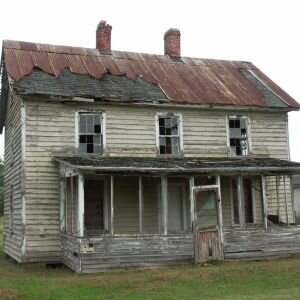
Inheriting a house is already a lot to process. Inheriting one with a condemned status on top of a fresh wave of grief? That is genuinely a hard situation to be in.
But yes, you can sell it.
The first thing to sort out is probate. Unless the property was set up in a trust or had a transfer-on-death deed, it needs to go through probate before you can legally sell it.
That process usually takes a few months, and during that time, the fines tied to the property keep running. So the faster you move through it, the better.
Once you have legal ownership, selling works the same way it would for any condemned property.
Cash buyers tend to be the most practical option here because they are already familiar with the messy paperwork that comes with inherited properties.
Selling a Condemned House in Missouri During Foreclosure
If you thought dealing with a condemned property was stressful, try adding foreclosure into the mix. It is a lot. But it is not hopeless, and that is the part most people do not hear enough.
Both situations are serious on their own. Together, they create a tighter timeline and a lot more pressure.
The bank is not going to pause the foreclosure process because the house also happens to be condemned. Those two clocks run at the same time.
The thing that changes everything here is acting fast. Foreclosure has a legal timeline attached to it, and once it reaches the end, your options get cut off completely.
Selling before the foreclosure finalizes, even a condemned property, puts money in your pocket and stops the process in its tracks.
A cash sale is almost always the only realistic option in this scenario. Traditional buyers cannot move fast enough, and lenders are not going to finance a condemned property in foreclosure.
Cash buyers can close in days if they need to, which is exactly the kind of speed this situation calls for.
We have worked with people who came to us convinced they had no options left. More often than not, there was still a window, just a small one.
If you are in this situation right now, the worst thing you can do is wait another week to figure it out.
Request a Free Cash Offer on Your Condemned Property
At this point, you have a pretty good understanding of what you are dealing with and what your options look like. So let’s talk about the fastest option.
Getting a cash offer on your condemned property costs you nothing and commits you to nothing. It is just information and good information at that. You find out what your property is actually worth to a real buyer, right now, in its current condition.
Reach out and share some basic details about the property. We come back to you with a real offer. If you like it, great. If you have questions or want to compare it against other offers, that is completely fine, too.
If you have been putting this off, this is the easiest first step you can take. Just contact us and tell us about your condemned house.
Key Takeaways: How to Sell a Condemned House in Missouri
A condemned house feels like a problem with no solution, but a lot of people have been exactly where you are and walked away with cash in hand. You have options. You can repair it, auction it, or sell it exactly as it sits without spending a dime on fixes. The only thing that actually makes this situation worse is letting it sit while the fines stack and the clock runs out.
When you are ready to just be done with it, KC Property Connection is a call away. We buy condemned houses in Missouri for cash, as-is. Contact us at (816) 600-4417 or fill out the form below, and let’s get this off your plate.
Helpful Missouri Blog Articles
- Can You Sell A House In Foreclosure In Missouri
- Can You Sell A House With Asbestos In Missouri
- Can You Sell A House With Mold In Missouri
- How to Sell a Hoarder House in Missouri
- How To Sell A House FSBO In Missouri
- How To Sell a House With Unpermitted Work In Missouri
- Can a Hospital Put a Lien on Your House in Missouri
- Essential Fixes Before Selling Your Home In Missouri
- Putting Property Liens On Homes In Missouri
- Can A Seller Back Out Of A Home Sale Contract in Missouri
- Taxes When Selling an Inherited House in Missouri
- How to Sell a Condemned House in Missouri
- Appraisal Required Repairs in Missouri
- How to do a quitclaim deed on a house in Missouri
- How to Sell Your House and Move Out of State
- Can You Sell a House with Termites in Missouri