
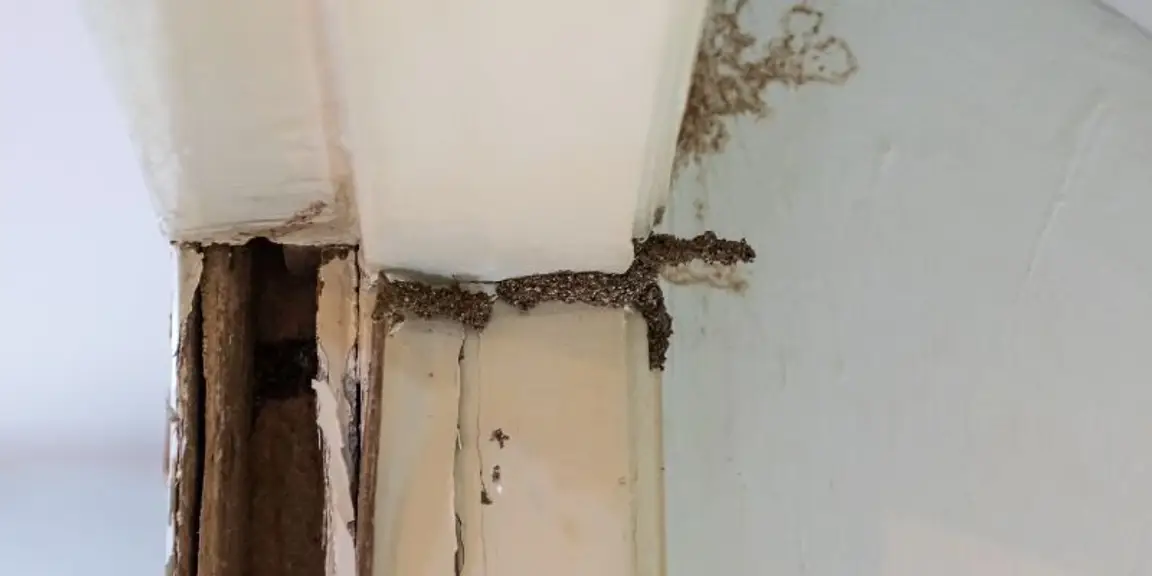
A few years ago, I walked through a Craftsman bungalow in Independence with a seller who had no idea her floor joists had been hollowed out from underneath. She’d lived there twelve years and never saw a single bug. During the inspection, the pest inspector found mud tubes running up three foundation walls. She assumed the house was unsellable. She was mistaken.
They’re a complication, but complications can be resolved. What matters is that you understand your options before you panic, price incorrectly, or sign something you’ll regret.
Missouri Sellers and Termites: What the Standard Advice Gets Wrong
University of Missouri research concluded that virtually every structure in the state will have termites at some point in its lifetime. This single fact reframes the whole conversation. Termites aren’t a mark of a neglected property; they’re a near-universal Missouri reality, from the historic homes near the River Market district in Kansas City to the older colonials in Kirkwood, St. Louis.
Their usual advice, which circulates, tells sellers to either fix everything before listing or slash the price and hope for the best. Both approaches can cost you more than necessary. Fixing everything before listing sounds responsible, but pest remediation doesn’t automatically restore lost structural integrity, and buyers may still negotiate down anyway after their inspection. Slashing the price without getting a treatment estimate first is even worse because you might give away five dollars to solve a two-dollar problem (and I’ve watched sellers do exactly this).
Across the state, working with cash home buyers in Missouri has become a common option for homeowners dealing with repair-heavy properties like termite damage.
How Do Termites Cause Damage to Missouri Homes?
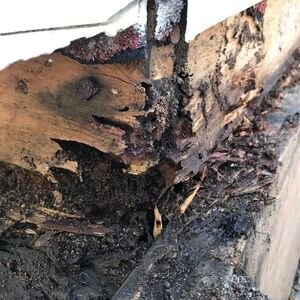
The eastern subterranean termite is the most common and destructive species in Missouri. These insects live underground, rely on soil moisture, and build mud tubes to travel up into a home’s wood structures. They eat from the inside of wood beams outward, so by the time you see external signs, the interior can be significantly compromised. A colony that breaches a structure may go undetected for three to eight years before visible damage alerts the occupants, because interior framing damage is concealed by drywall, flooring, and insulation.
Kansas City (State of Missouri) Older homes in neighborhoods like Waldo in Kansas City or the Tower Grove South area of St. Louis are especially common targets because of crawlspace foundations and wood-to-soil contact points that older construction practices routinely left in place. Structures with direct wood-to-soil contact, particularly older homes with crawlspaces, masonry piers, or wood formwork left after construction, pose the primary structural risk factor, so buyers should treat any of these features as grounds for requiring a full-termite inspection before closing.
What Are the Most Common Signs of Termite Damage?
The standard expectation is that you’d see bugs. Actual termite damage rarely presents that way, and many sellers live with an active infestation for years without ever spotting a live insect.
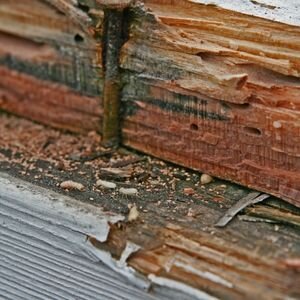
Termite activity can discolor walls and floors, cause hardwood floors to warp or buckle, and lead to sheetrock issues like paint chipping. Doors and windows that suddenly stick for no mechanical reason are a frequent early signal. Floors that feel spongy underfoot, hollow sounds when you knock on baseboards, and thin blistering across wood trim are all things I’ve walked past dozens of times before I knew what I was looking at, and I still catch myself second-guessing whether it’s termites or just an old house settling.
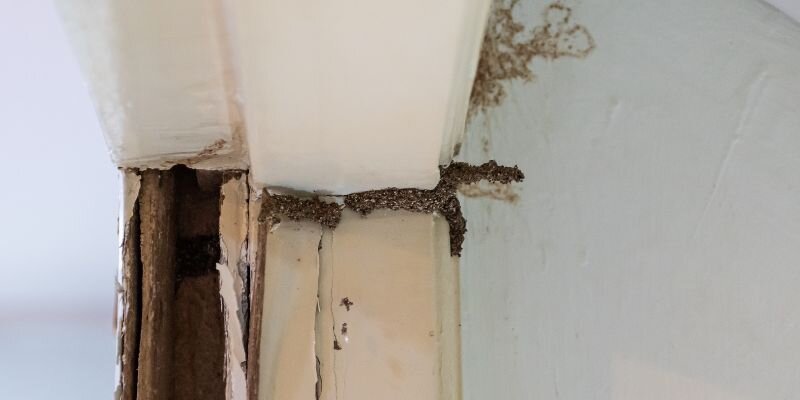
Termites may create mud tubes, chew through wood, leave droppings called frass, shed swarmer wings, or swarm near a property. The mud tubes are usually the clearest evidence: pencil-width tunnels of dirt running up a foundation wall or along a floor joist. Swarmers, which are winged reproductive insects that emerge in spring around Kansas City and St. Louis, often end up inside the house near windowsills (dead ones pile up fast).
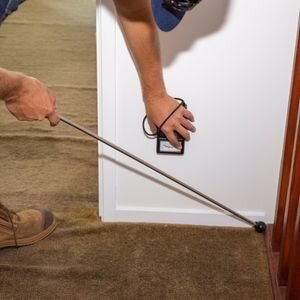
Have you walked your basement or crawlspace lately? Most homeowners haven’t, at least not with a flashlight and a screwdriver to probe the wood. A quick tap on a compromised floor joist sounds nothing like solid lumber, letting you catch the problem yourself before it becomes a negotiating weapon. The difference is worth knowing before a buyer’s inspector finds it first.
In nearby areas like Belton, many homeowners choose to work with a company that buys homes in Belton when repair costs start to outweigh the market value.
Does Homeowner Insurance Cover Termite Damage in Missouri?
The average cost to repair termite damage in Missouri ranges from $3,000 to $11,000. The range is wide because it depends entirely on how long the infestation went undetected and which structural members are involved.
Some sellers in Missouri carry a separate termite bond or have an existing pest management contract with a pest control company. If that contract includes a damage repair warranty, you may have coverage through the pest company rather than your insurer. This documentation is genuinely valuable at closing: buyers and their mortgage lenders respond very differently to a house that already carries a transferable warranty versus one that simply had a treatment done with no ongoing protection. You can pull out any pest control contracts you’ve signed and read what the damage provisions actually say.
Real estate attorneys and legal counsel in Missouri are increasingly flagging this issue during escrow because mortgage lending guidelines for VA loans mandate a termite inspection for most Missouri properties, with the VA designating Missouri as a high-termite-probability state.
Do You Have to Disclose Termite History When Selling a House in Missouri?
A seller in Lee’s Summit once told me she didn’t mention past termite treatment because it had happened ten years ago and she figured it was old news. The buyer found the prior pest report in the garage on moving day and called a lawyer the following morning.
Sellers must disclose under Missouri law any information that may affect the value or desirability of the property, including termite infestations. That obligation covers history, not just active infestations. The Missouri Revised Statutes § 339.730 codifies the seller’s duty to disclose known material defects, and pest damage clears that bar. Sellers should complete the Seller’s Disclosure Statement for Residential Property, which informs buyers of what they may be purchasing.
In Missouri, around 77% of real estate lawsuits involve disclosure issues. Burying termite history to get a cleaner offer is the kind of decision that turns a manageable situation into litigation. Attorneys and lawyers on both sides of the Missouri real estate sale have seen this pattern repeatedly, leaving you unlikely to find a sympathetic ear if it comes out later. Disclose, document, and let buyers evaluate the property with full information.
Missouri law makes it illegal to market or sell a property using misrepresentation, fraud, deception, or other unfair practices. Non-disclosure isn’t a gray area. If you knew about it, you would tell the buyer, period.
Understanding the trade-offs becomes much easier when you see how our process works from offer to closing, especially for sellers dealing with repair-heavy properties.
Termite Treatment Costs Vs. Seller Concessions: Which Makes More Sense?
For most of my early years of buying houses, I pushed sellers toward full treatment before closing. I thought it simplified everything. It doesn’t, and I’ve changed my approach.
dominate. In this case, the math depends on what you’re selling and who your likely buyer is for a move-in-ready home in a neighborhood like Brookside or Crestwood, where retail buyers with conventional financing dominate. Completing the treatment before listing makes sense. Those buyers’ mortgage lenders often require a clean wood-destroying organism report, and going into the listing with one already in hand removes an obstacle before it appears.
For properties with greater structural involvement, seller concessions may be more effective. A credit at closing lets the buyer choose their own licensed pest management contractor, preferred treatment method, and warranty plan. Buyers who do multiple sales in a year tend to prefer that control because they already have contractor relationships they trust. The credit also keeps cash in your pocket until the transaction closes, rather than spending it preemptively on a property that might not sell.
One thing I’d push back on: sellers who insist on treating the property themselves with store-bought products before calling anyone. Termite infestations aren’t a DIY problem; eliminating a colony requires professional treatment, specialized equipment, and the right soil treatment methods (the soil part is where store-bought products fail). Attempting it yourself and then trying to pass the house off as treated will not hold up under a professional pest inspection.
What termite remediation and warranties do buyers really want? What termite remediation and warranties do buyers actually want?
A warranty without documentation is worth nothing at closing, and buyers know it.
Retail homebuyers in Missouri want to see a current WDO inspection report from a licensed inspector, proof of treatment by a licensed pest management company, and a transferable warranty. That last piece matters more than most sellers realize. A warranty that transfers to the new owner at no cost signals that the pest control company stands behind its future work. Buyers often request termite inspections as part of their due diligence, so sellers who are upfront about past infestations and mitigation efforts tend to avoid last-minute sale cancellations.
Precisely, cash buyers and real estate investors tend to be more flexible. They’re generally willing to buy a property with active termite damage, price it accordingly, and handle remediation themselves. That flexibility is precisely why working with a company like KC Property Connection can remove a lot of friction from the process. They buy houses as-is across the Kansas City (State of Missouri) metro, so a termite problem doesn’t automatically kill a sale before it starts.
For sellers using traditional financing for buyers, the contract typically becomes contingent on a clear pest inspection. If your treatment was completed recently, could you make sure your pest control company provides a letter of completion and a warranty certificate for inclusion in the contract file? Your real estate agent or legal counsel should review those documents before you accept any offer, because a missing certificate has killed a sale at the closing table.
Can you sell a house with termites or a history of termites in Missouri? Can you sell a house with termites or a history of termites in Missouri?
Yes, you can sell. The path depends on the severity of the damage, your timeline, and what kind of buyer you’re targeting. Active infestations with limited structural damage are the most straightforward: treat the property, get a WDO clearance letter, and proceed with the sale. Listings in markets like Springfield, Columbia, and across the KC metro regularly close with prior termite history on the disclosure, especially when the seller provides a clean post-treatment report.
Properties with more severe structural damage face greater friction with retail buyers using mortgage lending. Lenders get cautious, appraisers note the damage, and the sale can stall. Selling as-is to a cash real estate investor becomes the more practical route in those cases, skipping the appraisal headache altogether. KC Property Connection works with sellers in exactly this situation across Missouri, and the conversation is usually much simpler than sellers expect.
What kills a sale isn’t the termite history itself. It’s the combination of undisclosed history, no documentation, and no clear remedy. Give buyers information and a plan, and most of them can work with it.
How to Market a Home with Termite History to Missouri Buyers
Sellers frequently wonder whether disclosing termite history will scare off every buyer who sees the listing. It won’t, but hiding it will scare off every buyer after they find out.
Pricing accurately is the most effective marketing tool available. A home priced to reflect its condition, supported by a professional pest inspection and a clear treatment record, generates more serious inquiries than an overpriced listing that later reveals problems during inspection. Buyers and their real estate agents have seen enough inspection surprises that a proactively documented history reads as a green flag, not a red one.
Your listing language matters. Your Realtor should describe the property as recently treated with a transferable termite warranty rather than burying the treatment in a disclosure footnote. Lead with the solution, not just the problem. Attach the pest inspection report to the marketing package available to buyers’ agents. When mortgage lending is involved, having all of that paperwork organized early prevents delays once you’re in escrow.
If you’re dealing with termite damage and want a clear, no-pressure option for selling as-is, you can always contact us to talk through your situation and get an offer based on your property’s current condition.
Frequently Asked Questions
How Hard Is It to Sell a House with Termite Damage?
It depends on the extent of the damage and how you approach it. A treated home with documentation and a warranty sells with only modest friction, especially to buyers who aren’t relying on tight mortgage lending guidelines. Homes with active, undisclosed, or structurally severe damage are harder to move on the traditional market, but cash buyers and investors in Missouri routinely purchase them as-is.
How Many Termites Are Considered an Infestation?
A mature termite colony can number anywhere from tens of thousands to over a million insects, but the colony size isn’t really the metric that matters for selling a house. What matters is whether active termites are present and whether they’ve caused detectable structural damage. Any confirmed active termite presence in a home being sold in Missouri will likely require a professional WDO inspection and treatment before most lenders will proceed.
Do Home Sellers Have to Disclose Termites in Missouri?
Missouri law requires sellers to disclose known material defects, and termite infestations and damage fall squarely into that category under Missouri Revised Statutes § 339.730. That obligation covers both current activity and any history you’re aware of. Failing to disclose exposes you to lawsuits, and Missouri’s fraud statutes add additional liability if the omission was intentional. When in doubt, disclose and document.
Do Termites Decrease Home Value?
They can, but the impact depends heavily on what’s been done about them. Untreated, undisclosed structural damage can reduce a home’s value by around 20%. A treated property with a transferable warranty and a clean post-treatment inspection report takes most of that hit off the table because buyers are pricing in what they’re actually taking on, not the worst-case scenario.
If your Missouri home has a termite history and you’re trying to figure out your next step, talking to someone who buys houses in this market is worth your time. KC Property Connection works with sellers across the Kansas City area. It can give you a straightforward answer on what your property is worth as-is: no need, no pressure, just a real conversation about your options.
Helpful Missouri Blog Articles
- Can You Sell A House In Foreclosure In Missouri
- Can You Sell A House With Asbestos In Missouri
- Can You Sell A House With Mold In Missouri
- How to Sell a Hoarder House in Missouri
- How To Sell A House FSBO In Missouri
- How To Sell a House With Unpermitted Work In Missouri
- Can a Hospital Put a Lien on Your House in Missouri
- Essential Fixes Before Selling Your Home In Missouri
- Putting Property Liens On Homes In Missouri
- Can A Seller Back Out Of A Home Sale Contract in Missouri
- Taxes When Selling an Inherited House in Missouri
- How to Sell a Condemned House in Missouri
- Appraisal Required Repairs in Missouri
- How to do a quitclaim deed on a house in Missouri
- How to Sell Your House and Move Out of State
- Can You Sell a House with Termites in Missouri